Is Personal Energy Transportation the Future of Sustainable Travel?
Nelle Diamond
As the world moves toward greener solutions, conversations about transportation are no longer limited to electric cars, bicycles, or public transit. A new concept is emerging—personal energy transportation. This approach explores how individuals can use their own energy, either directly or through innovative technology, to power movement in sustainable ways. From walking and cycling to futuristic energy-harvesting devices, it challenges us to rethink mobility in an eco-friendly world.
Content
What Is Personal Energy Transportation?
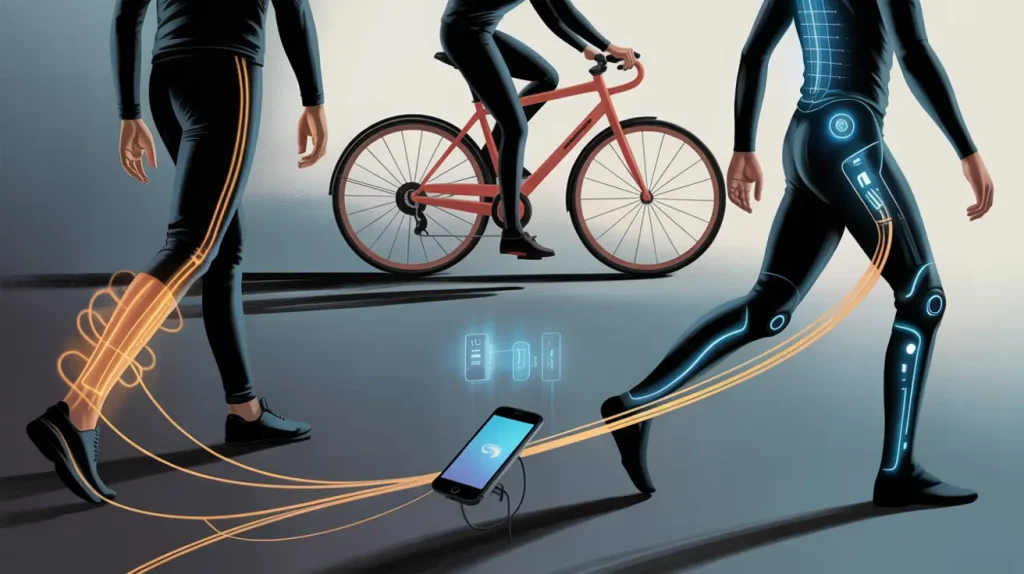
Personal energy transportation refers to methods of mobility powered by human effort or technologies that capture and reuse personal energy. At its simplest, it includes walking and cycling, both of which rely on human muscle power. However, new technologies are pushing this concept further, such as wearable devices that harvest energy from body movements or vehicles designed to amplify human input.
This approach emphasizes sustainability by reducing reliance on fossil fuels and minimizing environmental impact while also encouraging healthier lifestyles.
The Role of Human-Powered Mobility
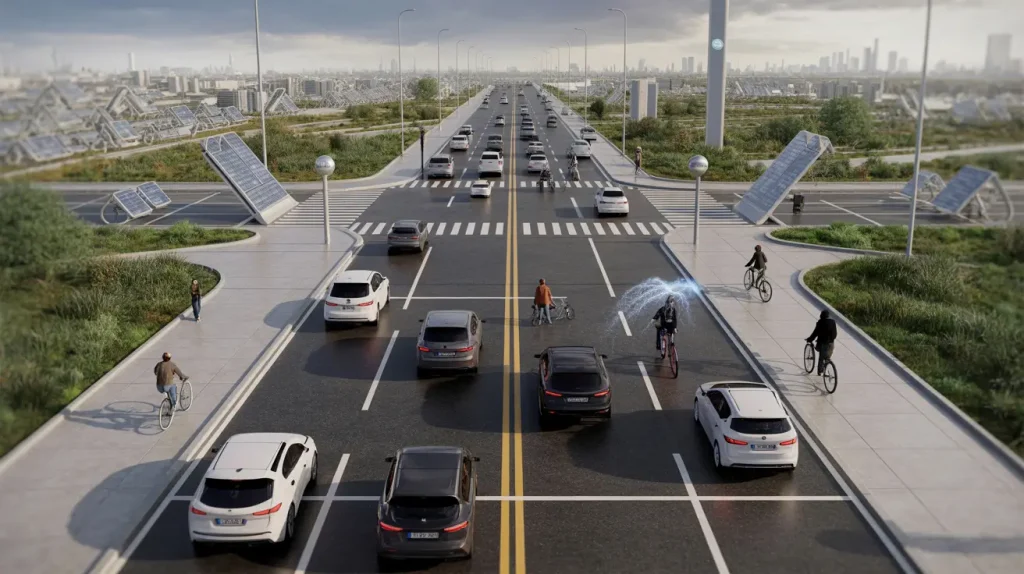
Human-powered mobility is the most familiar form of personal energy transportation. Walking and cycling are already integral to urban life, and cities around the world are investing in infrastructure like bike lanes, pedestrian zones, and e-scooter sharing systems. These methods not only reduce carbon emissions but also improve public health by encouraging exercise and lowering air pollution levels.
In dense cities, human-powered transport is often faster and more efficient than cars, especially during peak traffic hours. The rise of cycling culture in cities like Copenhagen and Amsterdam highlights how personal energy can become the backbone of urban mobility.
Technology Meets Human Energy
Beyond traditional methods, researchers are developing technologies to harness and store human energy. Wearable devices, for instance, can convert steps, motion, or body heat into electricity. This energy can be used to charge small devices or even assist in transportation systems.
Hybrid bicycles and exoskeletons are also examples of innovations that merge human energy with mechanical or electrical assistance, creating efficient and practical solutions for longer distances. These technologies expand the possibilities of personal energy transportation by making it more versatile and accessible.
Environmental Benefits
The environmental benefits of personal energy transportation are significant. Unlike motorized vehicles that contribute to greenhouse gas emissions, human-powered or energy-harvesting systems rely on renewable energy—our own bodies. This reduces dependency on non-renewable fuels, lowers urban pollution, and helps combat climate change.
Furthermore, the production and use of personal energy systems generally have a smaller environmental footprint compared to large-scale transportation networks, making them an attractive option for eco-conscious travelers and commuters.
Health and Lifestyle Advantages
This approach not only benefits the planet but also supports healthier lifestyles. Walking, cycling, and other human-powered activities improve cardiovascular health, strengthen muscles, and reduce stress. When people adopt these methods for daily commuting or leisure, they integrate exercise into their routines naturally.
This dual advantage of sustainability and health makes it a win-win solution for individuals and communities alike.
Challenges and Limitations
While promising, this concept faces challenges. Infrastructure in many cities is still car-centric, making it difficult to prioritize walking or cycling safely. Weather conditions, long distances, and accessibility for people with disabilities also limit its widespread adoption.
Technological solutions like energy-harvesting devices are still in early stages, requiring further research, affordability improvements, and scalability before becoming mainstream. Overcoming these challenges will be key to making it a viable alternative for the future.
The Future of Personal Energy Transportation
Looking ahead, the future of personal energy transportation depends on innovation, urban planning, and public adoption. Governments and city planners can encourage the shift by building pedestrian-friendly streets, safe cycling routes, and supporting sustainable technologies. As awareness grows about climate change and wellness, more people are likely to embrace personal energy solutions, combining simple practices like cycling with advanced energy-harvesting systems. This shift could revolutionize the way we think about mobility, moving focus from fossil fuels to human power. For more information vist our website travelertip
FAQ’s:
What is the meaning of energy transportation?
It refers to the movement of energy from its source to where it is used, such as electricity through power lines or fuel delivery.
What is used in transportation and energy production?
Fossil fuels, renewable sources (solar, wind, hydro), and electricity are commonly used.
What is the type of transport that uses energy?
All transport uses energy, but types include fossil-fuel vehicles, electric vehicles, and human-powered transport like cycling.
Nelle Diamond has been to over 100 countries, has a penchant for all things food, and is also an experienced mountaineer. She loves nothing more than exploring the world on her own terms.